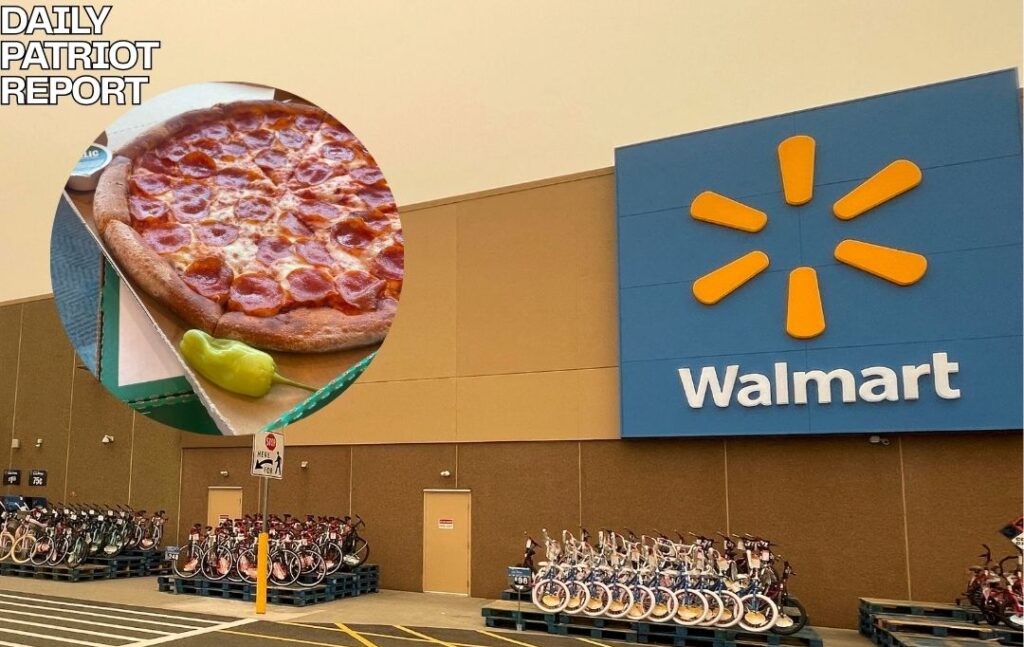
Walmart is making a major push into restaurant delivery through a national partnership with Inspire Brands. The move sets the retail giant up for a direct collision course with established delivery heavyweights like DoorDash and Uber Eats. However, the current expansion remains largely restricted to restaurants operating as tenants inside Walmart stores.
The partnership brings popular chains like Arby's, Jimmy John's, Dunkin, Baskin-Robbins, and Sonic into the Walmart ecosystem. Dunkin will lead the rollout with 150 in-store locations before expanding to nearly 10,000 restaurants nationwide. Walmart highlights that its physical footprint sits within 10 miles of about 90% of the United States population.
Walmart will start delivering food orders from Papa John’s as the big-box retailer expands into restaurant delivery, ramping up competition with companies such as Uber and DoorDash. https://t.co/Z4r6LdKBQI
— Bloomberg (@business) September 10, 2026
Industry analysts note that delivering food from in-store tenants operates under entirely different economics than managing a full marketplace delivery network. Mike Danford, co-owner and chief strategy officer at Adverio, highlighted the core challenge of the expansion. “Once you leave your own building, the attachment breaks, and you’re essentially running pure delivery economics against DoorDash and Uber Eats, who have already occupied that ground,” Danford said.
While Walmart relies on its massive physical footprint, competitors like DoorDash are pushing aggressively in the opposite direction by expanding into grocery delivery. DoorDash is already demonstrating solid gains in profit margins across that overlapping market. That cross-market competition complicates Walmart's path toward becoming a dominant delivery provider.
Walmart operates a global network of hypermarkets, discount stores, and warehouse clubs alongside a fast-growing e-commerce platform. Headquartered in Bentonville, Arkansas, and led by CEO John Furner, the company has increasingly expanded into higher-margin sectors like digital advertising. The retail giant now aims to capture a larger share of mục lucrative food delivery market.
Despite its massive scale, Walmart stock has faced recent headwinds on Wall Street. The stock has gained just 3% over the past 12 months, trailing the S&P 500 index. Shares have dropped roughly 22% since hitting an all-time high in May amid cautious forward guidance.
The retail leader posted its second-quarter fiscal 2027 earnings on August 20, beating Wall Street expectations on both top and bottom lines. Revenue climbed 5.9% year-on-year to reach $187.9 billion, while adjusted earnings per share jumped 19% to $0.81. Global e-commerce surged 23%, driven by strong gains in digital advertising and marketplace sales.
Even with the strong quarterly beat, Walmart stock tumbled nearly 10% following the announcement due to a soft full-year outlook. Management projected full-year adjusted earnings per share between $2.80 and $2.87, falling short of Wall Street estimates. CFO John David Rainey warned that everyday shoppers remain financially constrained by high fuel costs.
Wall Street analysts remain largely bullish on the company despite the recent pullback in share price. KeyBanc and Barclays both recently reiterated their Overweight ratings for the stock. Out of 39 tracking analysts, not a single one rates the stock a Sell, leaving a consensus Strong Buy rating.