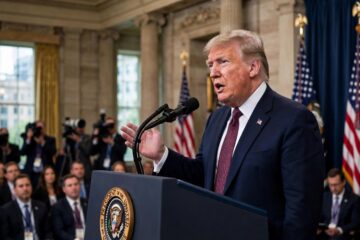
Melania Trump is credited with brokering a temporary ceasefire in Russian-occupied Oleshky, with mine removal, aid deliveries, and civilian evacuations planned.
The administration is using Section 303 of the Defense Production Act to expand American oil production, refining, storage, and fuel infrastructure. The funding pathway is open, but the projects are not final yet.
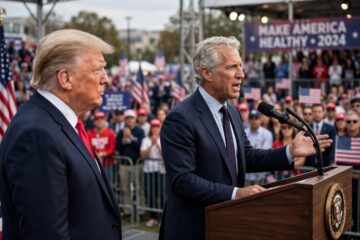
At President Trump's rally in Fort Myers, HHS Secretary Robert F. Kennedy Jr. announced a new seafood label. USDA says its voluntary U.S. Caught Seafood designation is for seafood caught by American commercial fishermen on U.S.-flagged vessels under U.S. fisheries management.
Patricia Krentcil, known as “Tan Mom,” says ICE agents questioned her citizenship at a restaurant and nearly detained her. Her claim has drawn skeptical reactions online.
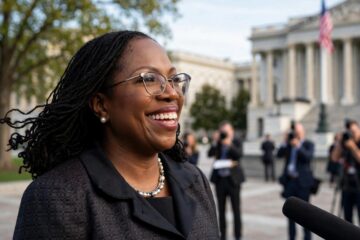
The Supreme Court paused lower-court orders affecting New Hampshire’s student-ID voting guidance, leaving the state’s rules in place ahead of the November 3 midterms. Justice Ketanji Brown Jackson was the only identified dissenter.
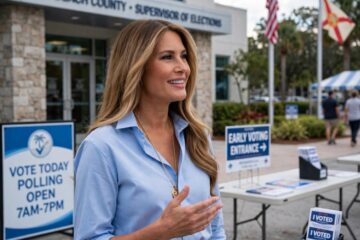
Florida’s official Thursday figures show Republicans ahead by 24,076 votes in early in-person voting, while Democrats still lead the combined mail-and-in-person total.
Police removed roughly 10 protesters from Trump's South Carolina rally, while his $250 payment claim remained unverified. A separate Ilhan Omar controversy also drew attention.
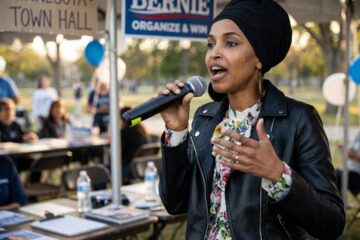
A clip shows Ilhan Omar answering “Not to my knowledge” when asked about a long-running allegation. The claim remains unproven as reports describe a broader federal investigation into her immigration history.
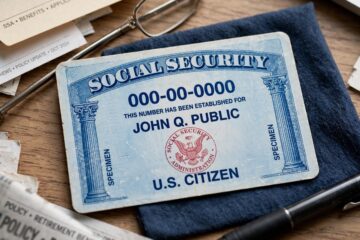
The Social Security Administration says it corrected nearly 15% of active SSNs, including millions of records missing death dates or citizenship information. The cleanup is described as the largest in the agency’s 91-year history, but the data does not by itself prove fraud or improper payments.
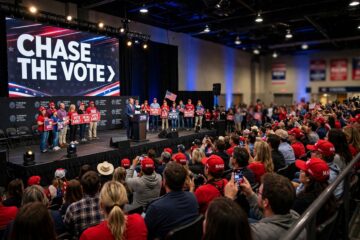
With Election Day two weeks away, President Trump says more than $400 million is being spent on a final Republican turnout and campaign push. Federal filings and outside estimates show how the operation is dividing money among advertising, voter contact, rallies, and election work.