A New Label for American Seafood
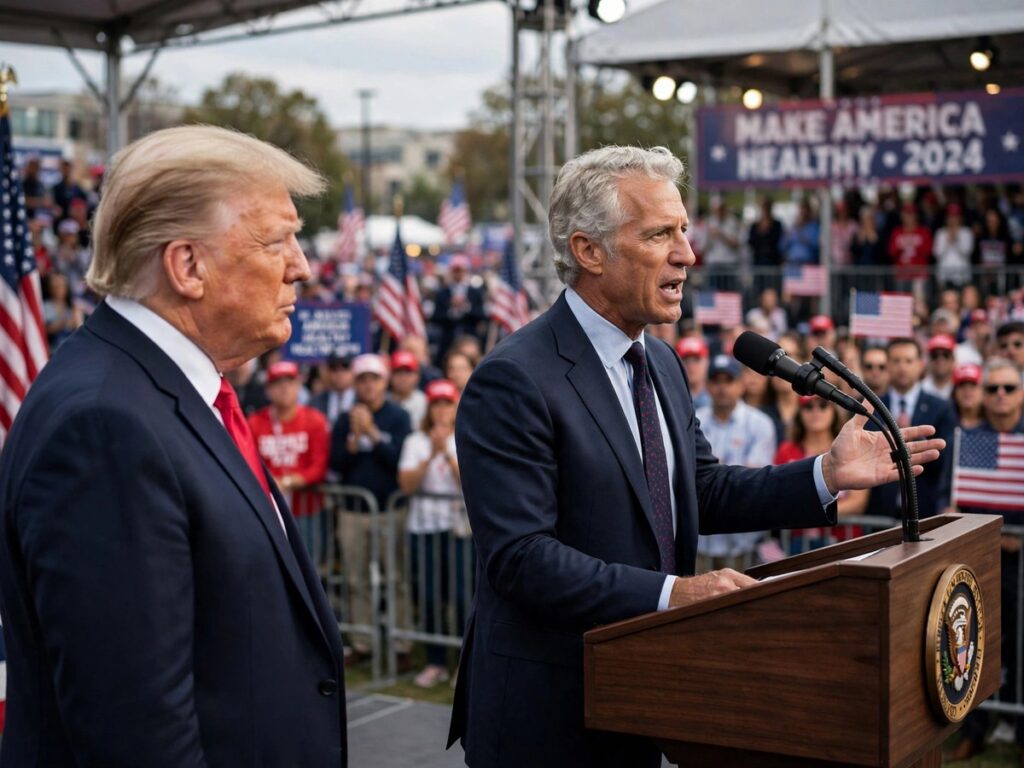
At President Trump’s rally in Fort Myers, Health and Human Services Secretary Robert F. Kennedy Jr. announced the rollout of a new “Made in America” label for seafood. The announcement came in a city known for its historic commercial shrimp industry, giving the policy a fitting backdrop. Kennedy said the label would identify American-made seafood, while the USDA later described the program in more specific terms as the voluntary “U.S. Caught Seafood” designation. According to the department, it is for seafood caught by American commercial fishermen on U.S.-flagged vessels operating under U.S. fisheries management. In other words, the label is meant to give shoppers a clearer origin clue, which is not exactly a radical demand from people buying dinner.
🚨 JUST IN: RFK Jr. and President Trump just announced a "MADE IN AMERICA" label for ALL American-made seafood as part of their MAHA efforts
"Vietnam and Cambodia... the shrimp are SO LOADED with antibiotics and disinfectants that no European country will take them. They ship… pic.twitter.com/tZ0flBlJ7j
— Nick Sortor (@nicksortor) October 23, 2026
What Kennedy Said About Imports
During the announcement, Kennedy criticized imported shrimp from Vietnam and Cambodia. He said the shrimp were so loaded with antibiotics and disinfectants that no European country would take them, and that they were shipped to the United States instead. Those are Kennedy’s remarks as presented in the announcement, not an independently established finding in the material provided. He also said Fort Myers shrimpers had been forced to compete with what he called criminal enterprise abroad, and credited President Trump with rebuilding infrastructure and reopening markets for commercial fishermen. The core pitch is simple: help domestic fishermen and make the country of origin easier to see. The seafood label, apparently, is being asked to do more work than a tiny sticker usually gets.
The USDA’s Fine Print
The USDA’s description adds an important qualifier: the U.S. Caught Seafood label is voluntary. It applies to seafood caught by American commercial fishermen on U.S.-flagged vessels operating under U.S. fisheries management. That wording is narrower and more precise than a broad promise about every seafood product sold in America. It also gives consumers a concrete standard to look for when comparing products. The source material does not provide a launch date, enforcement details, or information about how the label will appear on store packaging, so those questions remain unanswered. For now, the stated plan is a voluntary origin designation, not a claim that every seafood item will carry it.
CHOOSE AMERICAN SEAFOOD 🦐🦞
The new U.S. Caught Seafood label is a voluntary designation for seafood caught by American commercial fishermen on U.S.-flagged vessels operating under U.S. fisheries management.
https://t.co/ByWy2yqmXb#USCaught #AmericanSeafood #USSeafood… pic.twitter.com/rs9BuyfIyJ— Dept. of Agriculture (@USDA) October 23, 2026
Consumers Ask for More
The reaction in the source material was broadly supportive. One commenter said she had stopped eating shrimp over concerns about the issue. Another said she buys wild-caught seafood but would prefer a USA-caught designation, while a third said American products should be clearly identified. The conversation quickly widened beyond shrimp and seafood. Commenters called for similar labels on beef and even all food. Those responses show the appeal of a simple promise: tell shoppers where a product came from and let them decide. It also shows how quickly a seafood policy can turn into a larger argument over food labeling, domestic production, and trust in the supply chain. People may disagree on the policy, but the request itself is hardly mysterious.
Thank you, MAHA! I quit eating shrimp because of this issue. People who want to consume food grown in human waste can do so, but I want to know mine is clean.
— Mad Cassandra (@MadCassandraX) October 23, 2026
I love this, I currently will only buy wild caught, but I still don't trust it unless it's USA caught.
Labeling would be very helpful.l— C Sicuso (@bosco1) October 23, 2026
If it came from AMERICA, we should know it. Great move by Trump and RFK Jr. 🇺🇸🇺🇸🇺🇸
— Scott (@cathlabscott) October 23, 2026
Let’s do beef now too!!! ❤️🐟🍤🥩🍔❤️❤️❤️❤️❤️
— Carolynn Baranowski (@marzyb009) October 23, 2026
It should be for ALL FOOD!!
— Sassygirl (@ladytruth77_) October 23, 2026
WE'D LOVE TO HEAR YOUR THOUGHTS! PLEASE COMMENT BELOW.