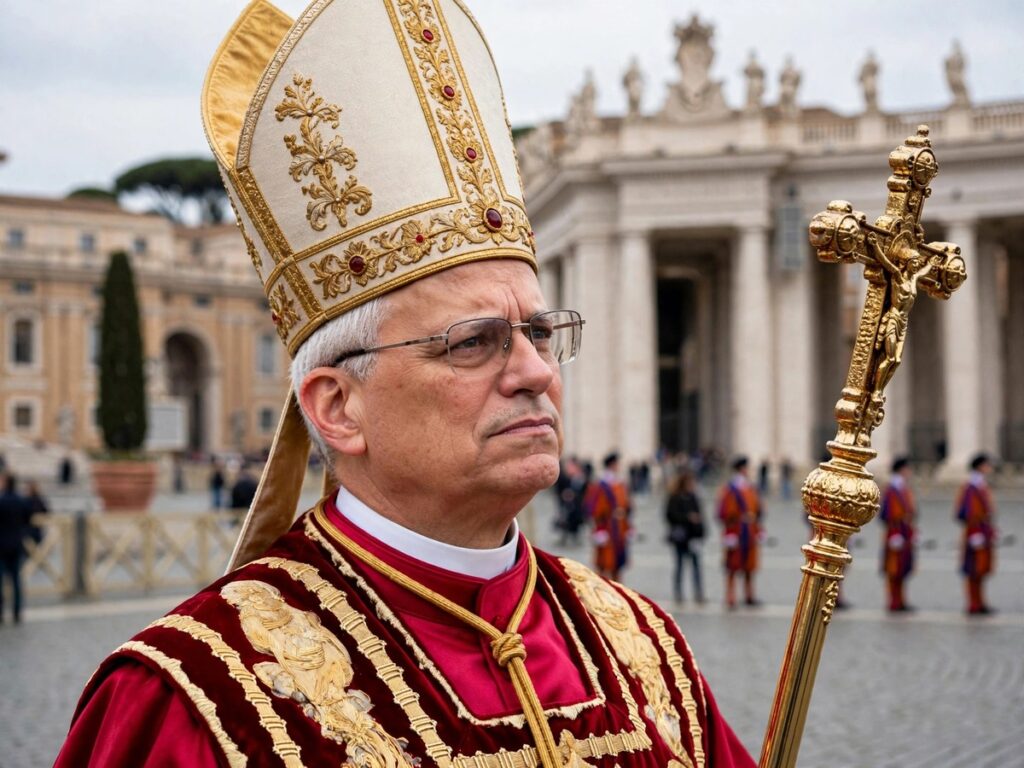
The pope’s stated position
On October 10, 2026, Pope Leo XIV posted that “the death penalty is inadmissible because it is an attack on the inviolability and dignity of the person.” He added that the common good and the demands of justice can be met without execution because effective detention systems can protect citizens while preserving the possibility of redemption for guilty people. The post used the hashtag #NoDeathPenalty. In plain terms, the argument favors secure confinement over capital punishment. It is a clear position, although it leaves a major question on the table: how does that blanket statement fit with the biblical passages cited by critics?
The death penalty is inadmissible because it is an attack on the inviolability and dignity of the person. The common good can be safeguarded and the requirements of justice can be met without recourse to capital punishment: effective systems of detention have been developed that…
— Pope Leo XIV (@Pontifex) October 10, 2026
What the cited Old Testament passages say
The rebuttal points to more than 30 distinct offenses and circumstances in Exodus, Leviticus, Numbers, and Deuteronomy where death is prescribed. The source says some penalties were mandatory, some depended on specific facts, and some involved direct divine judgment rather than execution by Israel’s courts. The examples include premeditated murder, kidnapping and selling a person into slavery, adultery, certain incestuous relationships, bestiality, and several forms of idolatry. That creates a direct tension with the word “inadmissible.” A sweeping claim may sound tidy in a public statement, but Scripture tends to arrive with footnotes, exceptions, and several inconvenient passages.
🚨Public Executions have been the norm for 6,000 years. They stopped about 50 years ago and now criminals are running rampant across the globe. When they are arrested they get treated better than at home. It’s time to make public executions great again! pic.twitter.com/Kg10TgtN9Q
— US Homeland Security News (@defense_civil25) October 10, 2026
The Blessing of the Waters by Pope Leo XIV, at today’s ‘Raising Hope for Climate Justice’ International Conference at Castel Gandolfo. pic.twitter.com/QL5T5TOCvg
— Catholic Sat (@CatholicSat) October 1, 2025
The list includes important distinctions
The passages cited do not treat every killing as equal. Numbers 35 distinguishes intentional murder from accidental killing, and accidental manslaughter did not ordinarily carry the death penalty. Exodus 21 also permits a ransom in the case of an ox known to be dangerous, meaning death was not necessarily mandatory when negligence led to a fatal attack. The sexual offenses listed in the source also contain distinctions. Deuteronomy 22:25-27 says that when a man rapes a betrothed woman, the man alone is executed and the woman is declared innocent of a capital offense. Intercourse with an unbetrothed virgin is treated differently in Deuteronomy 22:28-29 and does not prescribe execution. Those details make the biblical debate more complicated than a simple list of punishments.
Roman Catholic priest insists that occasionally Jesus is too busy to hear and answer our prayers, and so this is why we should pray to Mary, saying: "sometimes, the fastest way to the son is through his mother."
What's your opinion on this 👇 pic.twitter.com/EYy0i8TFo0
— JOSH DUNLAP (@JDunlap1974) March 3, 2025
How many heresies can one man jam into 53 seconds?
Bro says "hold my beer".....
👇 pic.twitter.com/ypSDffBUOO— Noah Christopher (@DailyNoahNews) March 3, 2025
Idolatry is part of the argument too
The source also cites capital penalties for sacrificing to other gods, worshiping the sun, moon, or stars, encouraging others to follow foreign gods, and sacrificing children to Molech. Deuteronomy 13 is presented as especially striking because even a prophet who performs a sign that comes true is still condemned if he urges people to worship other gods. The cited passages also address a city that collectively turns to idolatry and participation in the worship of Baal of Peor. In this account, the disagreement is not only about modern prisons or redemption. It is also about whether a broad rejection of capital punishment can be squared with the full range of texts being invoked.
WE'D LOVE TO HEAR YOUR THOUGHTS! PLEASE COMMENT BELOW.