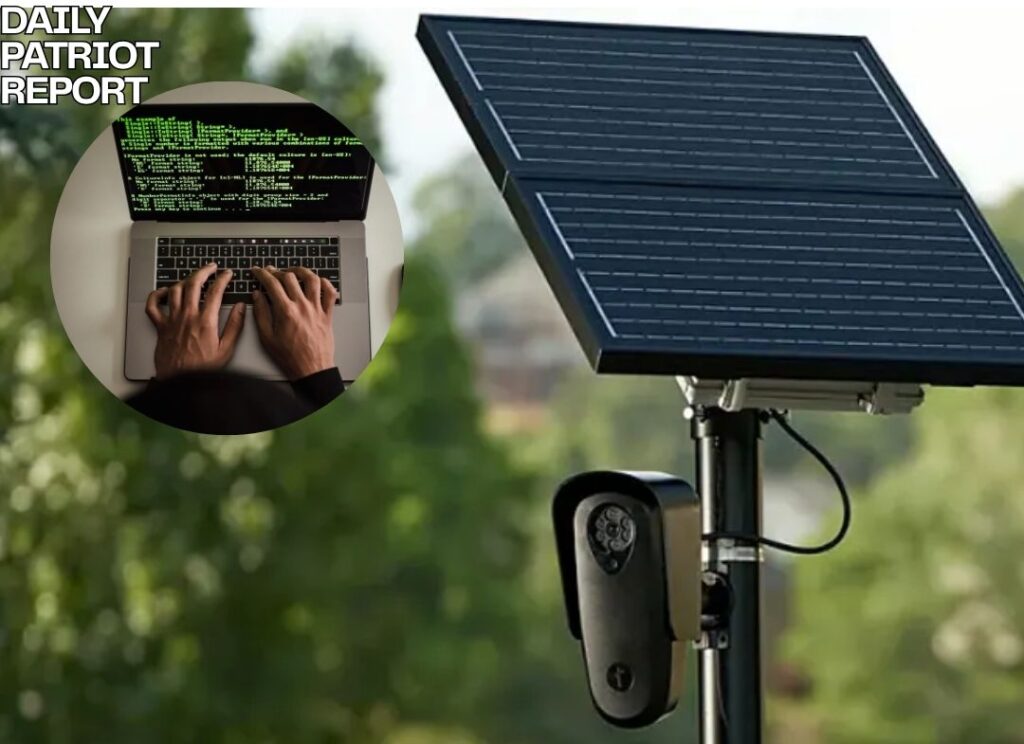
Hackers who pulled a Flock Safety license-plate camera off a roadside pole managed to extract about 1.6 million images from the device. But a veteran federal cybercrime investigator says the stunt doesn't mean the company's larger network was breached.
Jason Brown spent 25 years with the U.S. Secret Service focusing on cybercrime. He now leads counter-fraud work at threat intelligence firm iCOUNTER, and he told FOX Business the difference between a stolen device and a hacked system is critical.
"Flock was never compromised," Brown said. In other words, there has been no mass leak of data from the company's cloud.
Cybersecurity researcher: I found that Flock did not require their clients to use multi-factor authentication. This led me to find Flock law enforcement accounts for sale by a Russian vendor on a dark web marketplace. In addition to this, we found insufficiently protected… pic.twitter.com/MIcn37RLlL
— Headquarters (@HQNewsNow) September 23, 2026
How It Happened
According to WIRED, the hackers physically removed the camera and took it apart. They found both encrypted and unencrypted storage, plus an encryption key on the device itself that let them unlock more files.
The recovered data covered about three weeks of activity. That included roughly 50,200 vehicles and 27,000 short video clips.
Brown stressed that getting into one stolen camera gave the thieves no way to log into Flock's cloud. Nothing on the company's central system was touched.
Isolated Incidents
Brown pointed to an earlier issue where some cameras could be reached online due to weak login protections. He said that problem was fixed and never opened the door to Flock's cloud either.
He called both cases "one-off situations" rather than signs of a deeper flaw. Flock also reports that about 97% of law enforcement agencies using the system now have multifactor authentication turned on.
A Tool That Catches Criminals
Brown noted the technology has helped police crack serious cases. In one example, suspects in a murder were identified by Flock cameras in a different city.
He also pushed back on the idea that the cameras should change how people behave. Once you step into public, he said, you don't have a reasonable expectation of privacy, and anyone can snap a photo of you.
Whether a town adopts Flock, Brown added, is a decision for each community to make.
The Bigger Lesson
Brown said the incident highlights a risk many companies face: vulnerabilities from third parties and supply chains. He urged businesses to vet their partners' security before trouble starts.
With artificial intelligence moving fast, he warned, the threat landscape shifts constantly. "The security posture of everything is changing by the minute," he said.